
Blog
Case Studies in Borewell Success
Real Stories of Reliable Groundwater Solutions
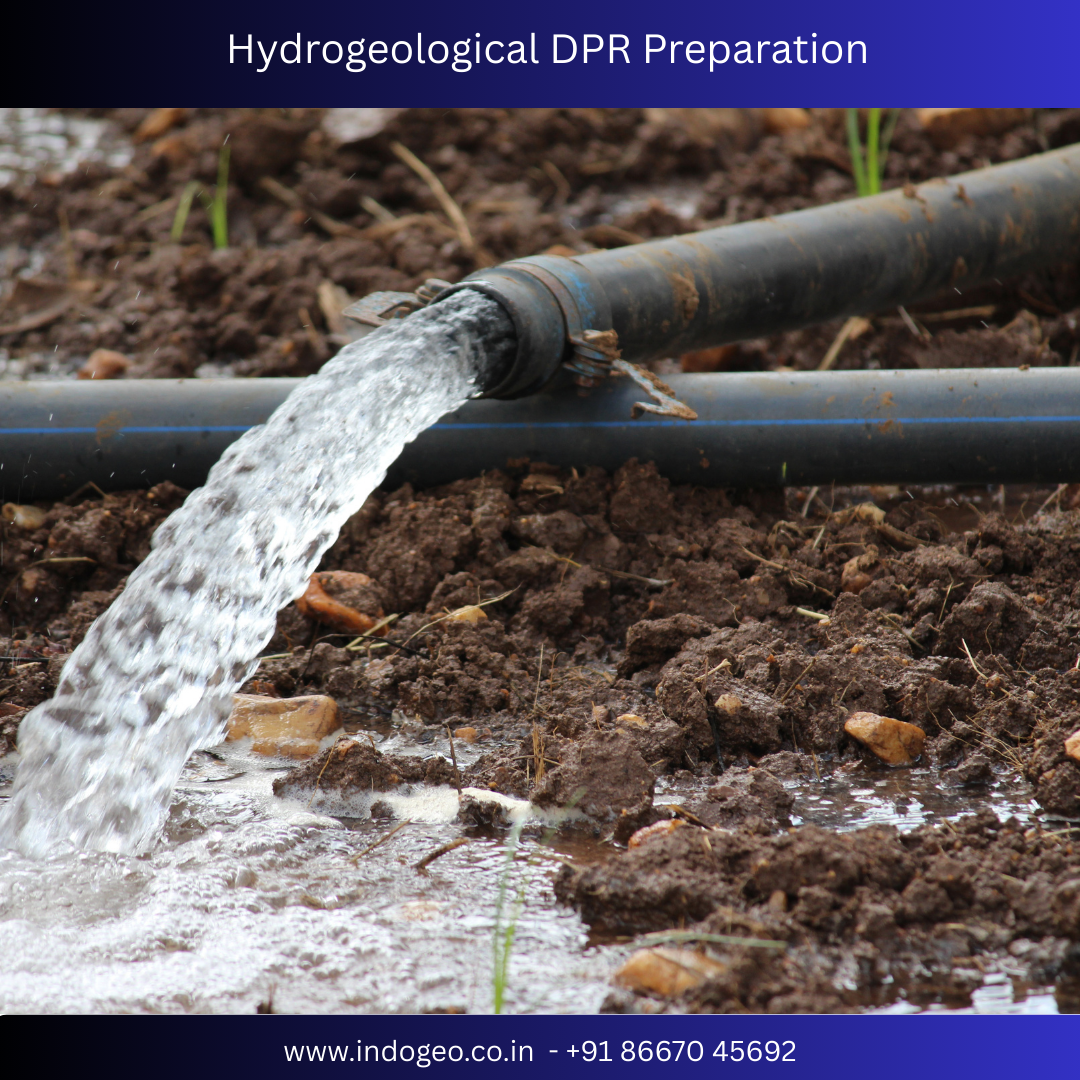
Access to reliable groundwater is essential for agriculture, residential water supply, and industrial operations. Borewells have become one of the most effective solutions for extracting groundwater, especially in regions where surface water sources are limited.
However, drilling a borewell successfully requires proper geological study, advanced drilling technology, and expert planning. Many successful borewell projects demonstrate how the right approach can lead to long-term water sustainability.
In this article, we explore case studies in borewell success, highlighting real-world examples, lessons learned, and strategies that contribute to successful borewell drilling projects.
What is a Borewell?
A borewell is a deep, narrow well drilled into the ground to access underground water sources. It is commonly used in:
Agricultural irrigation
Residential water supply
Commercial buildings
Industrial water usage
Rural water supply systems
Borewells are especially important in regions where rainfall is seasonal and surface water resources are limited.
Why Borewell Planning is Important
A successful borewell project requires careful planning and professional expertise.
Key factors that influence borewell success include:
Geological survey and groundwater analysis
Selecting the right drilling location
Proper borewell depth
High-quality drilling equipment
Efficient water pumping systems
Without proper planning, borewells may fail to yield sufficient water or may dry up quickly.
Case Studies in Borewell Success
Examining real-world examples helps understand how effective borewell strategies lead to sustainable water solutions.
Case Study 1: Agricultural Borewell Success for Irrigation
Location
A farming region with limited rainfall and heavy dependence on groundwater.
Challenge
Farmers faced water shortages during dry seasons, which affected crop production.
Solution
A professional borewell drilling company conducted a geological survey and groundwater mapping to identify potential water-bearing zones.
The borewell was drilled at an optimal depth using modern drilling equipment.
Result
Reliable water supply for irrigation
Increased crop yield
Reduced dependency on seasonal rainfall
Improved agricultural productivity
This case demonstrates how scientific site selection and proper drilling techniques can significantly improve borewell success rates.
Case Study 2: Residential Borewell for Sustainable Water Supply
Location
A suburban residential area experiencing irregular municipal water supply.
Challenge
Residents faced daily water shortages and relied on expensive water tankers.
Solution
A borewell was drilled after performing hydrogeological surveys to determine the best drilling location.
Advanced drilling technology ensured minimal land disturbance and accurate depth selection.
Result
Continuous water supply for households
Reduced water costs
Long-term water independence
This case highlights how borewells can provide reliable and cost-effective water solutions for residential communities.
Case Study 3: Industrial Borewell for Manufacturing Facility
Location
An industrial zone where manufacturing operations required a consistent water supply.
Challenge
The facility required large volumes of water for production processes.
Solution
A deep borewell was drilled using high-capacity drilling rigs and advanced groundwater detection techniques.
The system included:
High-efficiency pumps
Water storage tanks
Monitoring systems for water usage
Result
Stable water supply for industrial operations
Reduced operational costs
Improved production efficiency
This example demonstrates how borewells can support industrial sustainability and operational reliability.
Key Factors Behind Successful Borewell Projects
Successful borewell projects share several common factors.
1. Geological and Hydrogeological Surveys
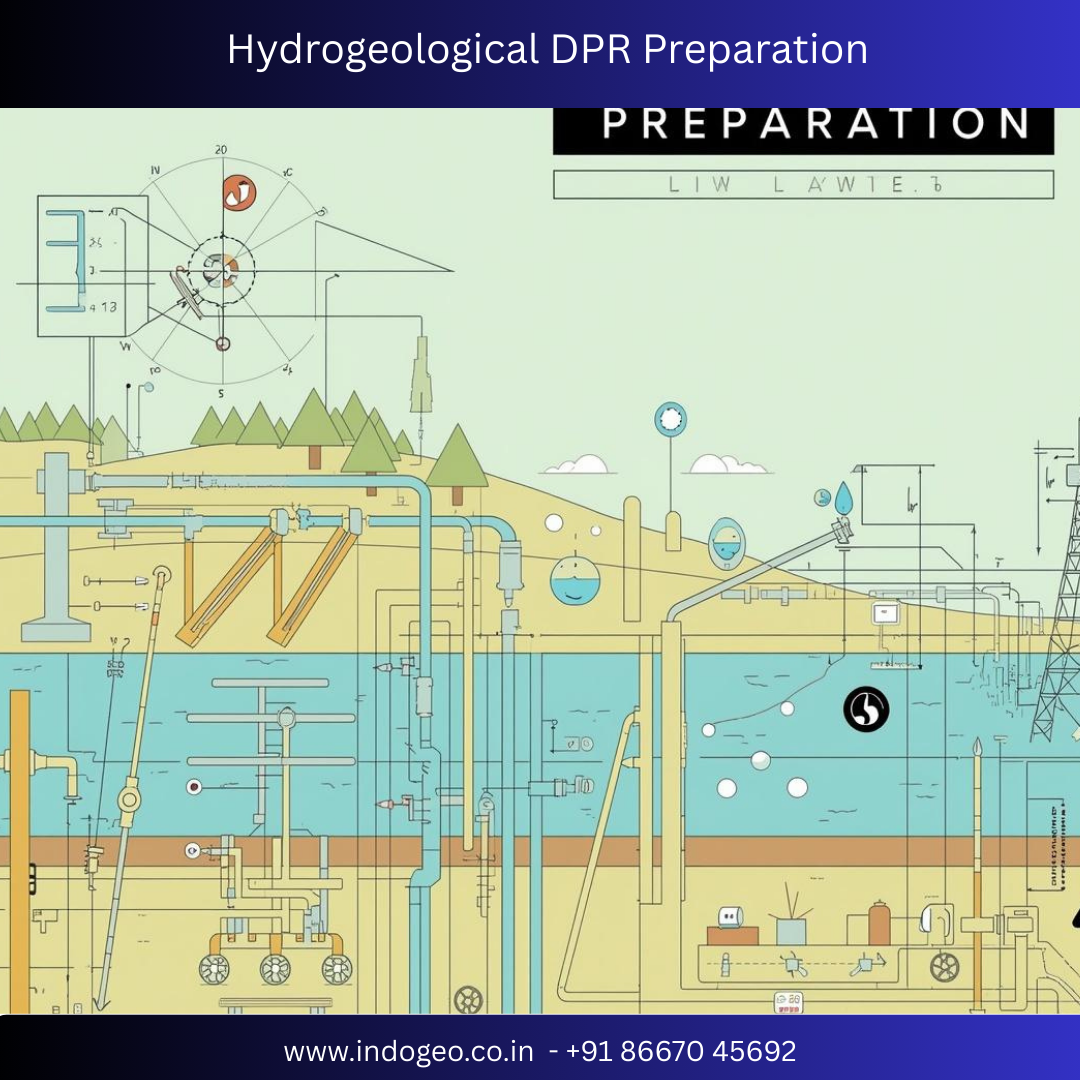
Understanding underground rock formations and water-bearing layers is critical for identifying the best drilling location.
2. Professional Drilling Techniques
Experienced drilling teams use advanced equipment to ensure:
Accurate drilling depth
Minimal environmental impact
Higher success rates
3. Proper Borewell Design
A well-designed borewell includes:
Correct casing pipes
Gravel packing
Efficient water pumps
Proper design ensures long-term borewell performance.
4. Regular Maintenance
Maintenance helps prevent issues such as:
Pump failure
Sand infiltration
Reduced water flow
Regular monitoring ensures the borewell continues to operate efficiently.
Benefits of Successful Borewell Projects
When properly implemented, borewells provide several advantages.
Key benefits include
Reliable water supply
Reduced dependency on municipal water systems
Lower long-term water costs
Increased agricultural productivity
Support for industrial operations
These benefits make borewells a valuable water management solution in many regions.
Challenges in Borewell Projects
Despite their benefits, borewell projects may face challenges.
Common challenges include:
Incorrect drilling location
Insufficient groundwater availability
Poor drilling techniques
Lack of maintenance
Environmental concerns related to groundwater depletion
Careful planning and professional expertise help overcome these challenges.
Best Practices for Borewell Success
Organizations and individuals can improve borewell success rates by following these best practices.
Conduct Groundwater Surveys
Hydrogeological surveys help identify potential groundwater zones before drilling.
Choose Experienced Drilling Contractors
Professional drilling teams have the knowledge and equipment required for successful borewell projects.
Use Quality Materials
High-quality casing pipes and pumps ensure durability and long-term performance.
Monitor Water Levels
Regular monitoring helps detect changes in groundwater levels and prevent over-extraction.
Implement Sustainable Water Management
Combining borewell usage with rainwater harvesting can help maintain groundwater levels.
Future Trends in Borewell Technology
Advancements in technology are improving borewell success rates.
Emerging trends include:
AI-based groundwater detection systems
Advanced geophysical survey techniques
Smart water monitoring systems
Energy-efficient borewell pumps
Sustainable groundwater management solutions
These innovations will help ensure more reliable and environmentally responsible borewell projects.
Conclusion
Case studies in borewell success demonstrate how proper planning, advanced technology, and professional expertise can lead to reliable groundwater solutions. Whether for agriculture, residential communities, or industrial facilities, successful borewell projects provide long-term benefits by ensuring consistent water supply.
By conducting thorough geological surveys, using modern drilling techniques, and maintaining sustainable water management practices, individuals and organizations can maximize the effectiveness of borewell systems and secure water resources for the future.
Comments
Scroll to Top