
Blog
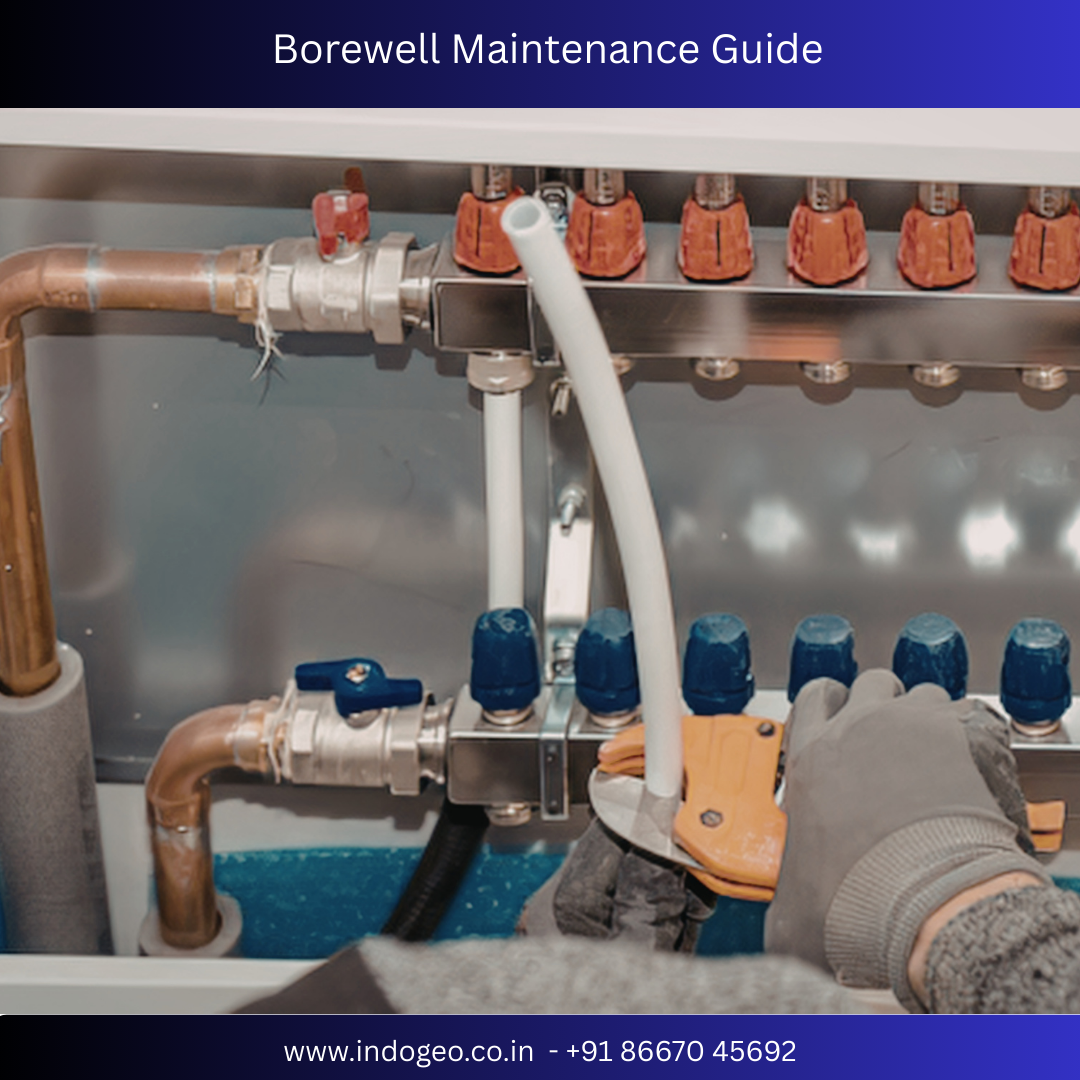
Borewell Maintenance Guide
Essential Tips to Ensure Long-Lasting Water Supply
Borewells are a vital source of groundwater for agriculture, residential buildings, and industrial facilities. They provide a reliable water supply in areas where surface water resources are limited. However, without proper care and maintenance, borewells can experience issues such as reduced water flow, pump failures, or contamination.
Following a proper borewell maintenance guide helps ensure long-term efficiency, improves water quality, and extends the lifespan of the borewell system. In this article, we will explore the best practices, maintenance tips, and common problems associated with borewells.
What is Borewell Maintenance?
Borewell maintenance refers to the regular inspection, cleaning, and repair of borewell systems to ensure consistent water flow and system efficiency.
Maintenance typically includes:
Checking the borewell pump and motor
Inspecting pipes and casing
Cleaning the borewell to remove sediments
Monitoring groundwater levels
Testing water quality
Regular maintenance helps prevent costly repairs and ensures uninterrupted water supply.
Why Borewell Maintenance is Important
Maintaining a borewell system is crucial for both performance and safety.
Key benefits include
Consistent Water Supply
Regular maintenance ensures steady water flow throughout the year.
Extended Borewell Lifespan
Proper care helps borewells operate efficiently for many years.
Improved Water Quality
Cleaning and monitoring prevent contamination.
Reduced Repair Costs
Early detection of problems avoids expensive repairs.
Better Pump Performance
Maintained pumps consume less energy and operate more efficiently.
Key Components of a Borewell System
Understanding borewell components helps in proper maintenance.
Important components include
Borewell casing pipes
Submersible pump
Electric motor
Delivery pipes
Control panel
Water storage tanks
Each component requires regular inspection to ensure optimal performance.
Essential Borewell Maintenance Tips
Following these maintenance practices can help keep borewells functioning efficiently.
1. Regular Inspection of Borewell Pumps
The submersible pump is one of the most critical parts of a borewell system.
Inspect pumps regularly for:
Unusual noise or vibrations
Reduced water output
Electrical issues
Routine inspections help detect problems before they become serious.
2. Monitor Water Flow and Pressure
Changes in water flow can indicate underlying issues.
Common signs include:
Reduced water pressure
Irregular water supply
Sudden drop in water levels
Monitoring these factors helps identify potential borewell problems early.
3. Clean the Borewell Periodically
Sediments and mineral deposits can accumulate inside the borewell over time.
Cleaning helps:
Improve water flow
Remove sand and debris
Prevent pump damage
Professional borewell cleaning services may be required for deep borewells.
4. Test Water Quality
Water quality testing is essential for ensuring safe usage.
Testing should check for:
Bacterial contamination
Mineral content
Chemical pollutants
Regular testing ensures the water remains safe for drinking, irrigation, or industrial use.
5. Check Electrical Components
Electrical issues can affect borewell pump performance.
Inspect:
Wiring connections
Control panels
Circuit breakers
Voltage levels
Proper electrical maintenance prevents pump failures.
6. Prevent Sand and Debris Entry
Sand infiltration can damage borewell pumps and reduce water quality.
Preventive measures include:
Installing proper borewell casing
Using gravel packing
Maintaining well covers
These steps protect the borewell system from contamination.
Common Borewell Problems and Solutions
Understanding common issues can help in quick troubleshooting.
Low Water Yield
Possible causes:
Falling groundwater levels
Pump malfunction
Blocked borewell pipes
Solution: Conduct groundwater assessment and inspect the pump system.
Pump Failure
Possible causes:
Electrical faults
Overheating
Motor wear and tear
Solution: Repair or replace damaged pump components.
Sand in Water
Possible causes:
Damaged casing pipes
Poor borewell design
Groundwater movement
Solution: Install sand filters or repair the borewell casing.
Contaminated Water
Possible causes:
Nearby pollution sources
Poor sealing of borewell openings
Solution: Improve sealing and perform water treatment.
Best Practices for Long-Term Borewell Maintenance
Organizations and households can maintain borewell efficiency by following these practices.
Schedule Annual Maintenance
Professional inspection at least once a year helps identify hidden issues.
Install Water Level Monitoring Systems
Monitoring groundwater levels helps prevent over-extraction.
Use Energy-Efficient Pumps
Modern pumps consume less electricity and improve water flow efficiency.
Protect Borewell from External Contamination
Proper borewell covers and sealing prevent debris, chemicals, and pollutants from entering.
Implement Rainwater Harvesting
Recharge pits and rainwater harvesting systems help maintain groundwater levels.
Future Trends in Borewell Maintenance
Technological advancements are improving borewell monitoring and maintenance.
Emerging innovations include:
Smart borewell monitoring sensors
Automated pump control systems
AI-based groundwater analysis
Remote water level monitoring
Energy-efficient pumping technologies
These technologies will help ensure more sustainable groundwater management.
Conclusion
Proper borewell maintenance is essential for ensuring a reliable and long-lasting water supply. Regular inspections, pump maintenance, water quality testing, and borewell cleaning help prevent major issues and extend the lifespan of the system.
By following a comprehensive borewell maintenance guide, individuals, farmers, and businesses can maintain efficient groundwater systems while ensuring sustainable water usage for future needs.
Comments
Scroll to Top