
Blog
Groundwater Risk Management
Strategies for Sustainable Water Protection
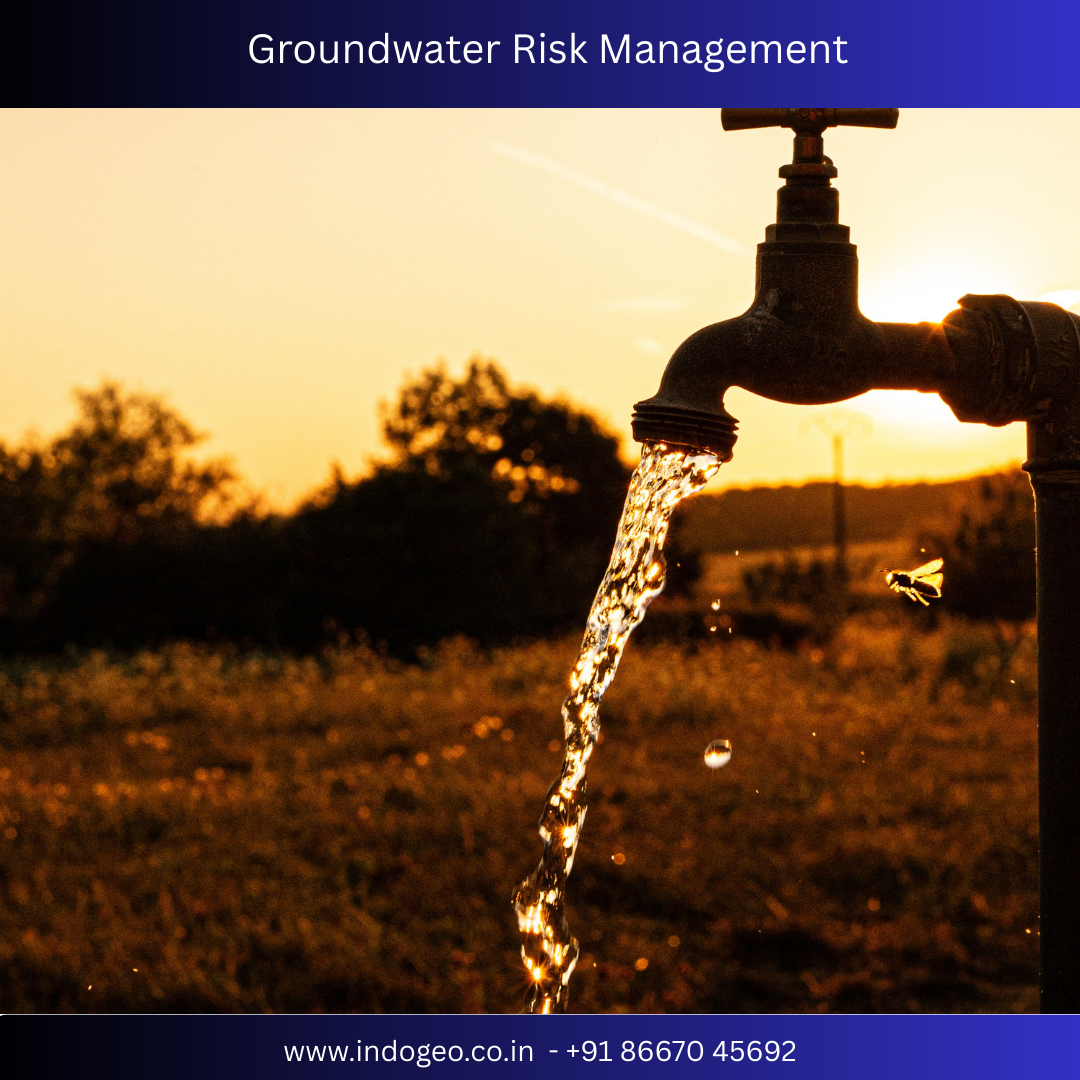
Groundwater is one of the most valuable natural resources supporting agriculture, drinking water supplies, and industrial operations around the world. However, increasing demand, climate change, pollution, and over-extraction have created serious risks to groundwater availability and quality.
Effective groundwater risk management is essential for protecting water resources and ensuring long-term sustainability. By identifying potential threats and implementing proper management strategies, communities and organizations can safeguard groundwater for future generations.
In this article, we explore the importance of groundwater risk management, common risks, prevention strategies, and best practices for sustainable groundwater protection.
What is Groundwater Risk Management?
Groundwater risk management refers to the process of identifying, assessing, and mitigating risks that threaten groundwater resources. It involves monitoring water sources, implementing protection measures, and developing policies that ensure sustainable groundwater usage.
Groundwater risk management focuses on:
Preventing contamination
Controlling excessive groundwater extraction
Monitoring groundwater quality
Managing water resources responsibly
Protecting aquifers from environmental damage
Effective management helps maintain safe and reliable water supplies for agriculture, households, and industries.
Importance of Groundwater Risk Management
Groundwater plays a critical role in supporting ecosystems and human activities.
Key reasons why groundwater risk management is important include
Ensuring Safe Drinking Water
Millions of people depend on groundwater for daily drinking water needs.
Supporting Agriculture
Farmers rely heavily on groundwater for irrigation.
Protecting Ecosystems
Many rivers, lakes, and wetlands are connected to underground water sources.
Preventing Water Scarcity
Proper management helps avoid groundwater depletion.
Maintaining Water Quality
Risk management reduces the chances of contamination and pollution.
Common Risks to Groundwater Resources
Understanding potential risks helps organizations and governments develop effective groundwater protection strategies.
1. Groundwater Contamination
Pollution from industrial waste, agricultural chemicals, and sewage can contaminate groundwater sources.
Common contaminants include:
Pesticides and fertilizers
Industrial chemicals
Heavy metals
Oil and fuel leakage
Wastewater discharge
Contaminated groundwater can cause serious health risks and environmental damage.
2. Over-Extraction of Groundwater
Excessive pumping of groundwater can lead to aquifer depletion, reducing the availability of water for future use.
Consequences include:
Declining water tables
Dry borewells and wells
Reduced agricultural productivity
Land subsidence
Sustainable water usage is necessary to prevent these issues.
3. Climate Change Impacts
Climate change affects groundwater recharge rates due to changing rainfall patterns and rising temperatures.
Potential impacts include:
Reduced groundwater recharge
Increased drought frequency
Higher evaporation rates
Irregular water availability
Effective groundwater management strategies must consider climate variability.
4. Saltwater Intrusion
In coastal areas, excessive groundwater extraction can cause saltwater intrusion, where seawater enters freshwater aquifers.
This leads to:
Increased water salinity
Reduced drinking water quality
Agricultural damage
Preventing over-pumping helps protect coastal groundwater systems.
5. Poor Borewell Construction
Improperly designed or poorly maintained borewells can introduce contaminants into groundwater.
Risks include:
Surface water contamination
Entry of chemicals and pollutants
Structural damage to aquifers
Professional drilling practices are essential for safe groundwater extraction.
Strategies for Effective Groundwater Risk Management
Implementing the right strategies can help protect groundwater resources and reduce environmental risks.
1. Groundwater Monitoring Systems
Regular monitoring helps track groundwater levels and detect contamination early.
Monitoring methods include:
Water level measurement
Water quality testing
Aquifer mapping
Digital groundwater monitoring systems
Data collected from monitoring helps guide water management decisions.
2. Sustainable Groundwater Extraction
Controlling groundwater usage helps maintain aquifer balance.
Best practices include:
Limiting excessive pumping
Implementing water conservation measures
Using efficient irrigation systems
Sustainable extraction ensures groundwater availability for future generations.
3. Pollution Prevention Measures
Preventing contamination is one of the most effective ways to protect groundwater.
Measures include:
Proper waste disposal systems
Regulating industrial discharge
Managing agricultural chemicals responsibly
Protecting groundwater recharge zones
These actions reduce the risk of pollutants entering aquifers.
4. Rainwater Harvesting and Aquifer Recharge
Artificial groundwater recharge systems help restore water levels.
Examples include:
Rainwater harvesting structures
Recharge wells
Percolation ponds
Check dams
These methods increase groundwater recharge and improve water availability.
5. Regulatory Policies and Water Governance
Government regulations play an important role in groundwater protection.
Policies may include:
Borewell drilling permits
Water usage limits
Environmental protection laws
Groundwater monitoring programs
Effective governance ensures responsible water resource management.
Technologies Used in Groundwater Risk Management
Modern technology is improving groundwater monitoring and protection.
Common technologies include:
Geographic Information Systems (GIS) for groundwater mapping
Remote sensing for environmental monitoring
Smart groundwater sensors
AI-based water resource analysis
Automated water quality monitoring systems
These technologies help experts make data-driven groundwater management decisions.
Challenges in Groundwater Risk Management
Despite advancements, several challenges still exist.
Major challenges include:
Lack of groundwater monitoring data
Unregulated groundwater extraction
Rapid urbanization
Agricultural water demand
Climate-related uncertainties
Addressing these challenges requires collaboration between governments, industries, and local communities.
Best Practices for Sustainable Groundwater Protection
Organizations and communities can adopt the following best practices.
Promote Water Conservation
Encouraging efficient water usage reduces pressure on groundwater resources.
Educate Communities
Public awareness programs help communities understand the importance of groundwater protection.
Maintain Borewells Properly
Regular borewell maintenance prevents contamination and ensures safe water extraction.
Protect Recharge Areas
Prevent construction or pollution near natural groundwater recharge zones.
Encourage Sustainable Agriculture
Using drip irrigation and water-efficient farming techniques reduces groundwater consumption.
Future Trends in Groundwater Risk Management
Advancements in technology and environmental policies are shaping the future of groundwater management.
Key trends include:
Smart groundwater monitoring networks
AI-driven water resource management
Climate-resilient groundwater strategies
Sustainable aquifer recharge technologies
Integrated water management systems
These innovations will help protect groundwater resources while supporting economic development.
Conclusion
Groundwater risk management is essential for ensuring sustainable water resources in the face of increasing demand and environmental challenges. By identifying risks such as contamination, over-extraction, and climate impacts, organizations and communities can implement effective strategies to protect underground water sources.
Through proper monitoring, responsible water usage, pollution prevention, and advanced technologies, groundwater can be managed sustainably to support agriculture, industry, and human needs for generations to come.
Comments

Scroll to Top