
Blog
Rechargeable Borewell Concept Explained
A Sustainable Solution for Groundwater Replenishment
Introduction
With declining groundwater levels across India and other water-stressed regions, the rechargeable borewell concept has emerged as a sustainable and cost-effective solution. Rapid urbanization, excessive groundwater extraction, and unpredictable rainfall patterns have significantly reduced aquifer levels. Recharge borewells help restore groundwater naturally by directing rainwater and surface runoff back into underground aquifers.
In this comprehensive guide, we explain what a rechargeable borewell is, how it works, its benefits, design methods, cost factors, and why it is essential for long-term water security.
What is a Rechargeable Borewell?
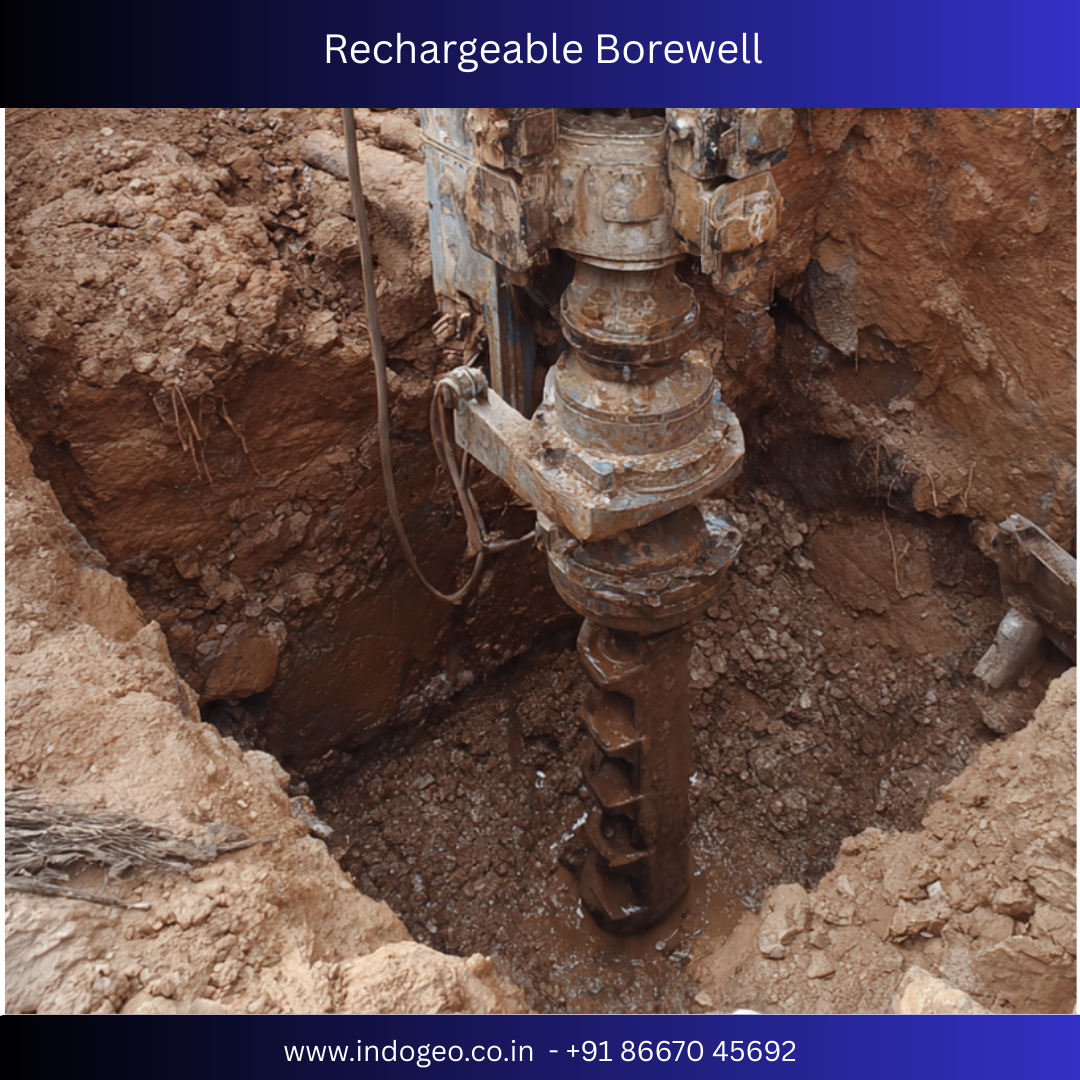
A rechargeable borewell is a specially designed borewell system that allows rainwater or treated surface runoff water to percolate into underground aquifers. Instead of allowing rainwater to flow into drains and be wasted, the water is filtered and redirected into the borewell to replenish groundwater reserves.
It works on the principle of artificial groundwater recharge, which enhances natural percolation and improves borewell sustainability.
Why Rechargeable Borewells Are Important
Groundwater depletion is a major concern in many parts of India, especially in states like Tamil Nadu, Karnataka, and Maharashtra. Recharge borewells help in:
Increasing groundwater levels
Improving borewell yield
Reducing dependency on tanker water
Preventing borewell failure
Enhancing aquifer recharge rate
Supporting agriculture and construction needs
For property owners and industries, recharge systems significantly extend borewell lifespan.
How Rechargeable Borewell Works
Step-by-Step Process:
Rainwater Collection
Rooftop or surface rainwater is collected through pipes.
Filtration Unit
Water passes through filter media such as:
Pebbles
Gravel
Coarse sand
Charcoal
Recharge Pit or Chamber
Filtered water enters a recharge pit constructed near the borewell.
Percolation into Aquifer
Water slowly infiltrates into underground fractures and aquifers.
This process improves the water table and enhances borewell discharge over time.
Types of Recharge Borewell Systems
1. Direct Recharge Method
In this method, filtered rainwater is directly injected into the borewell casing pipe. This is suitable for deep borewells in hard rock areas.
Advantages:
Quick recharge
Effective for low-yield borewells
Ideal for urban residential buildings
2. Recharge Pit Method
A recharge pit (1–2 meters diameter and 2–3 meters depth) is constructed around the borewell.
Suitable For:
Independent houses
Schools
Commercial buildings
This method improves shallow aquifer recharge gradually.
3. Recharge Trench Method
Recharge trenches are long pits filled with filter material and connected to borewells.
Best For:
Large plots
Agricultural land
Industrial campuses
Key Components of a Rechargeable Borewell
Rainwater collection pipes
First flush device
Filter chamber
Pebbles and sand media
Recharge pit
Borewell casing pipe
Silt trap
Proper design prevents clogging and contamination.
Benefits of Rechargeable Borewell
1. Sustainable Groundwater Management
Reduces groundwater depletion and maintains water balance.
2. Improved Borewell Yield
Enhances discharge rate over time.
3. Cost-Effective Water Solution
Minimizes tanker water dependency.
4. Environmental Protection
Reduces urban flooding and soil erosion.
5. Government Compliance
Supports rainwater harvesting regulations in many states.
Recharge Borewell Design Guidelines
Conduct hydrogeological survey before installation
Ensure proper filtration to avoid contamination
Avoid recharge near septic tanks
Clean filters before monsoon season
Install overflow arrangements
Professional groundwater assessment ensures maximum recharge efficiency.
Cost of Rechargeable Borewell System
The cost depends on:
Soil type
Borewell depth
Plot size
Filter system design
Labor and materials
Estimated Cost Range in India:
₹15,000 – ₹75,000 (varies based on design and site conditions)
Though initial investment is required, long-term water savings make it highly economical.
Common Mistakes to Avoid
Direct recharge without filtration
Ignoring silt removal
Poor pit design
No maintenance
Installing near contamination sources
Proper design and annual maintenance are essential.
Rechargeable Borewell vs Traditional Borewell
| Feature | Traditional Borewell | Rechargeable Borewell |
|---|---|---|
| Water Replenishment | No | Yes |
| Sustainability | Low | High |
| Long-Term Yield | Decreases | Improves |
| Environmental Impact | Negative | Positive |
Recharge borewells are clearly the future of groundwater sustainability.
Who Should Install Recharge Borewells?
Homeowners
Farmers
Apartment Associations
Industries
Schools and Colleges
Real Estate Developers
Conclusion
The rechargeable borewell concept is a powerful and practical solution to groundwater depletion. By integrating rainwater harvesting with borewell recharge systems, individuals and industries can ensure long-term water security.
Investing in a recharge borewell system not only improves borewell yield but also contributes to sustainable groundwater management and environmental conservation.
Water saved today is water secured for tomorrow.
Comments



Scroll to Top