
Blog
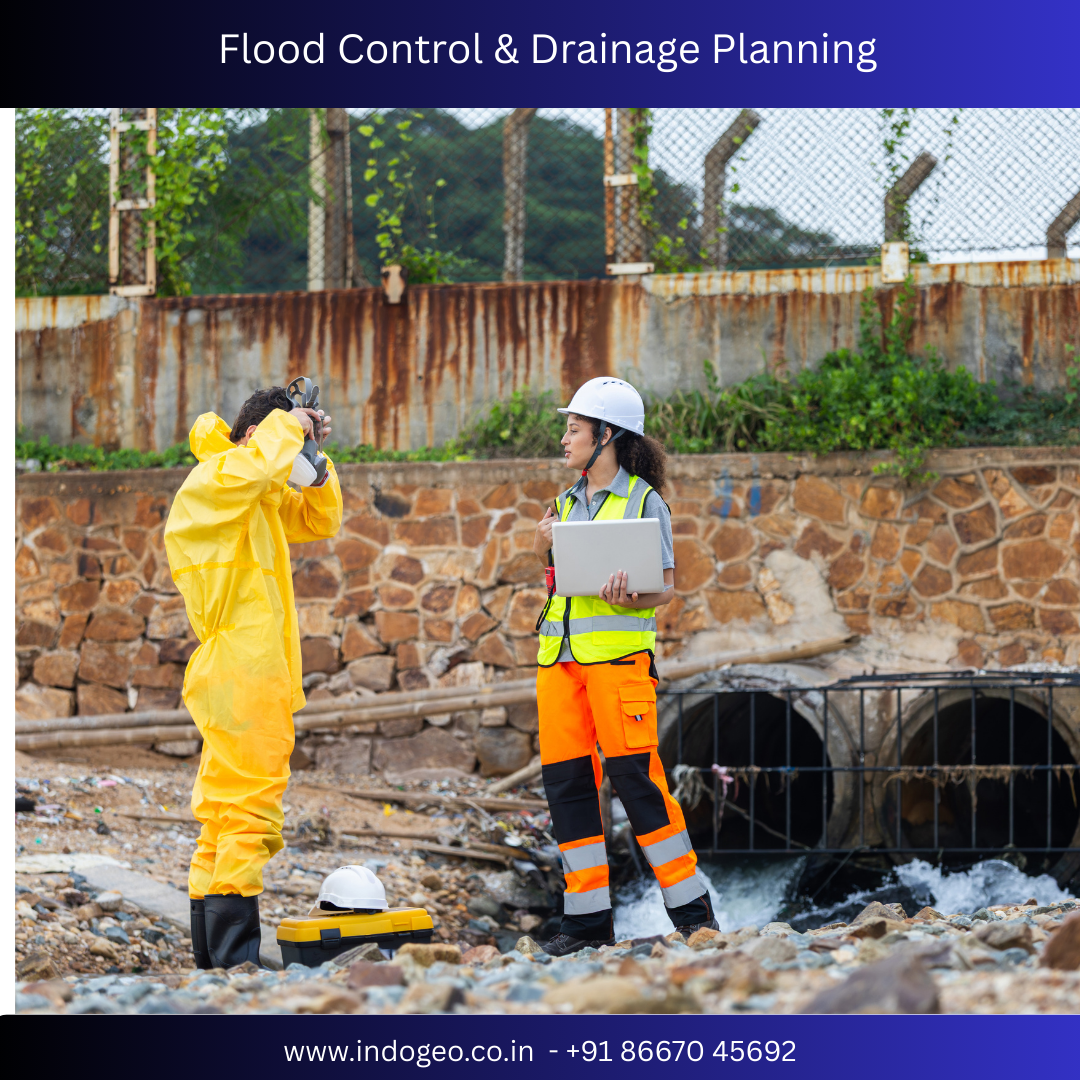
Flood Control & Drainage Planning
Sustainable Strategies for Urban and Rural Resilience
Flooding is one of the most devastating natural disasters affecting cities and rural regions worldwide. Effective Flood Control & Drainage Planning is essential to protect lives, infrastructure, agriculture, and economic stability. With rapid urbanization and climate change impacts, integrated water management strategies are no longer optional — they are critical.
This comprehensive SEO-optimized guide explains flood control methods, drainage planning principles, technologies, benefits, and best practices for sustainable development.
What is Flood Control & Drainage Planning?
Flood control and drainage planning involve designing systems and infrastructure to:
Manage stormwater runoff
Prevent waterlogging
Reduce flood risks
Protect groundwater quality
Ensure efficient water flow
It integrates hydrology, civil engineering, environmental science, and urban planning.
Why Flood Control Planning is Critical Today
Increasing extreme rainfall events, driven by climate change, have intensified flooding incidents in many regions. Urban expansion reduces natural infiltration, leading to higher surface runoff and drainage overload.
Cities like:
Chennai
Mumbai
Kolkata
have experienced severe urban flooding due to inadequate drainage infrastructure and encroachment on natural water bodies.
Proper drainage planning ensures long-term resilience and sustainable urban growth.
Types of Flooding
Understanding flood types helps in designing appropriate solutions:
1. River Flooding
Occurs when rivers overflow due to heavy rainfall or upstream discharge.
2. Urban Flooding
Caused by poor drainage systems and excessive stormwater runoff.
3. Coastal Flooding
Triggered by storm surges, cyclones, and sea-level rise.
4. Flash Flooding
Sudden flooding due to intense short-duration rainfall.
Key Components of Flood Control & Drainage Planning
1. Hydrological Assessment
Rainfall intensity analysis
Watershed mapping
Runoff coefficient calculation
Flood frequency analysis
Advanced modeling tools simulate flood scenarios for better infrastructure design.
2. Stormwater Drainage Design
Drainage systems include:
Surface drains
Underground pipelines
Culverts
Retention basins
Detention ponds
Proper gradient design ensures gravity-based water flow without stagnation.
3. Rainwater Harvesting Integration
Integrating flood control with:
Rainwater harvesting
reduces surface runoff and improves groundwater recharge.
4. River & Canal Management
Desilting operations
Embankment strengthening
Floodplain zoning
Channel widening
Maintaining natural waterways is essential for effective flood mitigation.
5. Sustainable Urban Drainage Systems (SUDS)
Modern drainage planning includes:
Permeable pavements
Green roofs
Bio-swales
Infiltration trenches
Constructed wetlands
These solutions enhance water absorption and reduce pressure on conventional drains.
Flood Control Infrastructure Solutions
Structural Measures
Dams and reservoirs
Levees and floodwalls
Stormwater pumping stations
Diversion channels
Non-Structural Measures
Flood forecasting systems
Early warning systems
Zoning regulations
Community awareness programs
Insurance mechanisms
A balanced approach ensures comprehensive protection.
Role of Smart Technology in Flood Management
Modern flood control systems use:
IoT-based water level sensors
GIS-based mapping
Real-time rainfall monitoring
AI-based flood prediction models
Remote sensing technology
Smart water management enhances preparedness and response efficiency.
Common Challenges in Drainage Planning
1. Rapid Urbanization
Unplanned construction blocks natural water pathways.
2. Poor Maintenance
Clogged drains and encroachments reduce drainage capacity.
3. Climate Variability
Changing rainfall patterns increase unpredictability.
4. Insufficient Infrastructure Capacity
Old drainage systems may not support increased runoff volumes.
Best Practices for Effective Flood Control & Drainage Planning
✔ Conduct comprehensive watershed studies
✔ Preserve natural water bodies
✔ Implement rainwater harvesting systems
✔ Use GIS-based drainage mapping
✔ Ensure regular desilting & maintenance
✔ Adopt sustainable urban drainage solutions
✔ Integrate climate resilience planning
✔ Establish early warning systems
Benefits of Proper Flood Control Planning
Reduced property damage
Improved public safety
Enhanced groundwater recharge
Better sanitation and hygiene
Sustainable urban development
Increased infrastructure lifespan
Investing in drainage infrastructure reduces long-term disaster recovery costs.
Flood Control Planning for Rural Areas
In rural regions, effective strategies include:
Check dams
Farm ponds
Contour bunding
Percolation tanks
Canal maintenance
These solutions prevent soil erosion and protect agricultural productivity.
Government & Policy Role
Governments must enforce:
Strict building codes
Floodplain zoning laws
Environmental impact assessments
Infrastructure audits
Climate adaptation policies
Integrated policy planning ensures sustainable flood mitigation.
Future of Flood Control & Drainage Systems
The future lies in:
Climate-resilient infrastructure
Green urban planning
Smart water networks
Integrated watershed management
Community-based disaster response systems
Sustainable planning today prevents crises tomorrow.
Final Thoughts: Building Resilient Communities
Flood control and drainage planning are foundational to safe, sustainable, and resilient development. With increasing climate risks and rapid urbanization, proactive infrastructure planning is essential.
By combining engineering solutions, environmental conservation, and smart technology, communities can reduce flood risks while enhancing water resource management.
Investing in strategic flood control planning today ensures safer cities and stronger economies tomorrow.
Comments

Scroll to Top