
Blog
Urban Stormwater Management
Sustainable Solutions for Flood-Resilient Cities
Rapid urbanization, climate change, and increasing impermeable surfaces have made Urban Stormwater Management a top priority for modern cities. Without proper planning, heavy rainfall leads to flooding, waterlogging, infrastructure damage, groundwater depletion, and pollution of natural water bodies.
This comprehensive SEO-optimized guide explores stormwater management strategies, sustainable drainage systems, technologies, benefits, and best practices to build climate-resilient urban environments.
What is Urban Stormwater Management?
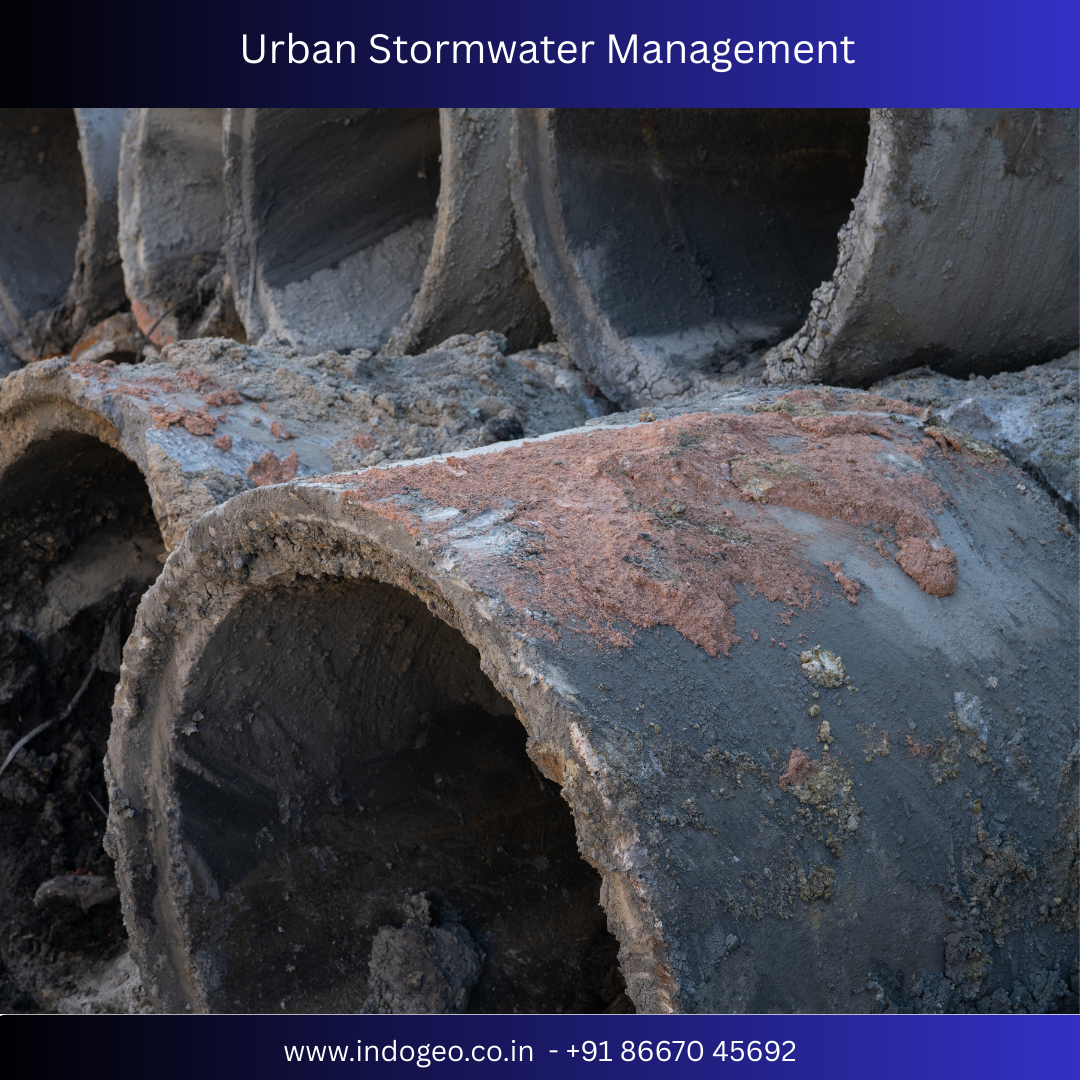
Urban stormwater management refers to the planning, design, and implementation of systems that control, treat, and utilize rainwater runoff in cities. When rain falls on roads, rooftops, and pavements, it cannot naturally infiltrate the ground. Instead, it flows rapidly into drains and water bodies, often causing flooding.
Effective stormwater management aims to:
Reduce flood risk
Improve water quality
Recharge groundwater
Prevent soil erosion
Protect urban infrastructure
Why Urban Stormwater Management is Critical
Cities experiencing frequent flooding, such as:
Chennai
Bengaluru
Hyderabad
face challenges due to blocked drains, loss of wetlands, and rapid construction.
With increasing extreme rainfall events linked to climate change, traditional drainage systems are often insufficient. Sustainable stormwater planning is essential to protect communities and support urban growth.
Key Objectives of Stormwater Management
Control runoff quantity
Improve stormwater quality
Reduce peak discharge rates
Enhance groundwater recharge
Promote sustainable urban development
Components of Urban Stormwater Management Systems
1. Stormwater Drainage Networks
Surface drains
Underground pipelines
Culverts
Storm sewers
Pumping stations
Proper slope design ensures gravity-based water flow and prevents stagnation.
2. Sustainable Urban Drainage Systems (SUDS)
Modern cities adopt eco-friendly approaches such as:
Permeable pavements
Green roofs
Rain gardens
Bio-swales
Infiltration trenches
Constructed wetlands
These systems reduce runoff and naturally filter pollutants.
3. Rainwater Harvesting Integration
Incorporating:
Rainwater harvesting
into urban design helps capture and store rainwater for reuse while reducing stormwater load.
4. Retention & Detention Ponds
Retention ponds store water permanently.
Detention ponds temporarily hold stormwater and release it gradually.
These structures reduce peak flood discharge.
Stormwater Quality Management
Urban runoff often contains:
Oil & grease
Heavy metals
Plastics
Sediments
Industrial pollutants
Water treatment measures include:
Sedimentation basins
Oil-water separators
Filtration systems
Vegetative buffers
Improving water quality protects rivers, lakes, and groundwater resources.
Role of Smart Technology in Stormwater Management
Modern urban stormwater systems use:
IoT-based water level sensors
GIS mapping tools
Real-time rainfall monitoring
AI-based flood prediction models
Automated pump control systems
Smart water infrastructure improves early warning and response efficiency.
Challenges in Urban Stormwater Management
1. Rapid Urbanization
Expansion reduces natural infiltration areas.
2. Encroachment of Water Bodies
Loss of lakes and wetlands increases flood risk.
3. Poor Maintenance
Clogged drains reduce system efficiency.
4. Climate Variability
Unpredictable rainfall patterns strain existing infrastructure.
5. Aging Drainage Systems
Older systems lack capacity to handle modern runoff volumes.
Best Practices for Effective Stormwater Management
✔ Conduct hydrological and watershed studies
✔ Preserve natural drainage channels
✔ Implement sustainable drainage systems
✔ Promote green infrastructure
✔ Regularly clean and maintain drains
✔ Enforce building regulations
✔ Integrate climate resilience planning
✔ Encourage community participation
Benefits of Sustainable Urban Stormwater Management
Reduced urban flooding
Improved water quality
Enhanced groundwater recharge
Increased property value
Reduced infrastructure damage
Sustainable city development
Proper stormwater management reduces long-term disaster recovery costs.
Urban Stormwater Management for Smart Cities
Smart city projects integrate:
Real-time monitoring systems
Data-driven water management
Climate-adaptive infrastructure
Digital twin simulations
These technologies improve planning accuracy and resilience.
Government & Policy Support
Authorities must implement:
Strict zoning regulations
Mandatory rainwater harvesting laws
Environmental impact assessments
Infrastructure audits
Climate adaptation strategies
Policy-driven planning ensures long-term sustainability.
Future of Urban Stormwater Management
The future lies in:
Nature-based solutions
Integrated watershed management
Climate-resilient urban design
Smart drainage networks
Community-driven water conservation
Cities that adopt proactive stormwater planning are better equipped to handle climate challenges.
Final Thoughts
Urban stormwater management is essential for building safe, sustainable, and flood-resilient cities. By combining engineering expertise, environmental conservation, and smart technology, municipalities can effectively manage runoff while improving water resource sustainability.
Investing in strategic stormwater planning today ensures stronger, safer, and smarter cities tomorrow.
Comments

Scroll to Top