
Blog
Government Water Schemes Support
Complete Guide for Communities, Farmers & Urban Development
Access to clean and sustainable water is essential for public health, agriculture, and economic growth. Across India, multiple government water schemes support programs aim to improve drinking water access, irrigation infrastructure, groundwater recharge, and urban water management.
In this SEO-optimized guide, we explore major government water schemes, eligibility, benefits, and how communities, farmers, NGOs, and local bodies can leverage these initiatives.
Why Government Water Schemes Are Important
Water scarcity, groundwater depletion, and urban water stress are growing challenges. Government support helps:
🚰 Ensure safe drinking water
🌾 Improve irrigation efficiency
🌧 Promote rainwater harvesting
💧 Recharge groundwater
🏙 Strengthen urban water infrastructure
🌍 Support climate resilience
India has launched several flagship programs to address water security nationwide.
Major Government Water Schemes in India
1️⃣ Jal Jeevan Mission
Objective:
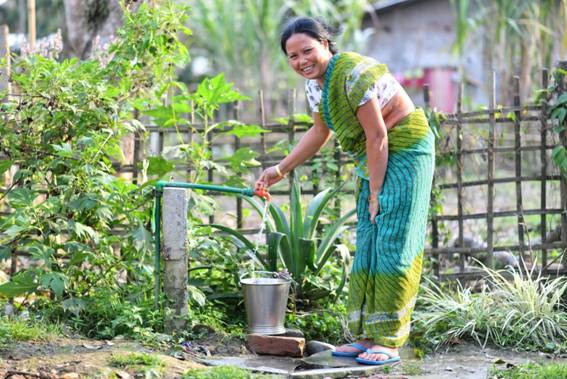
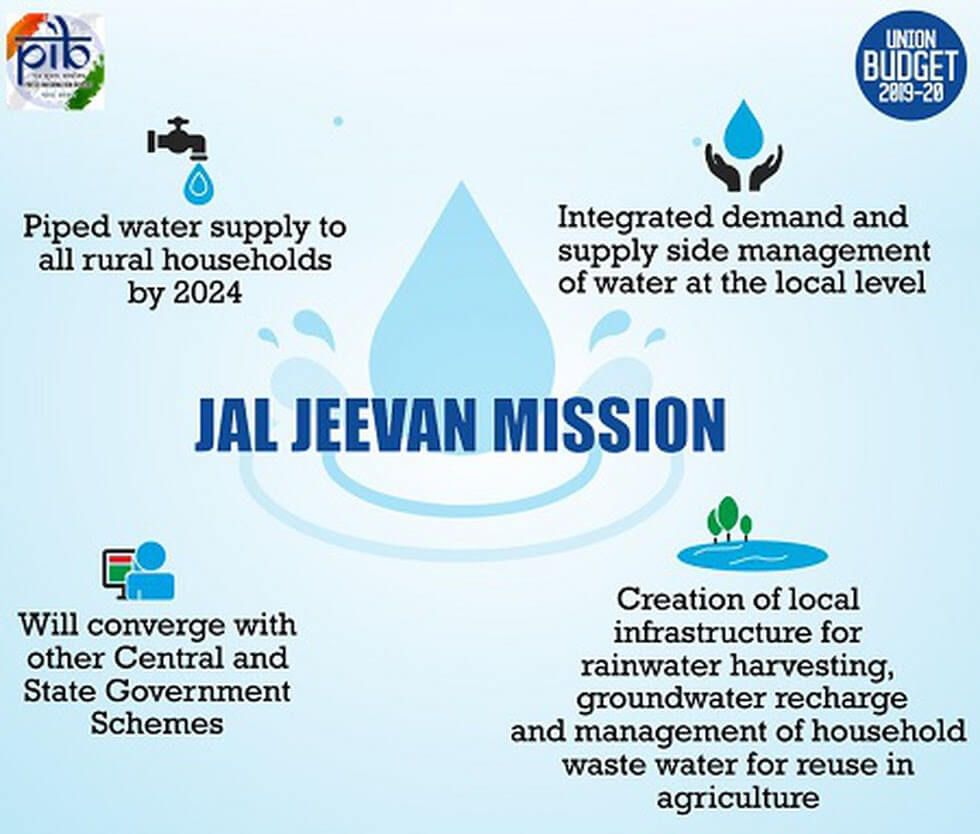
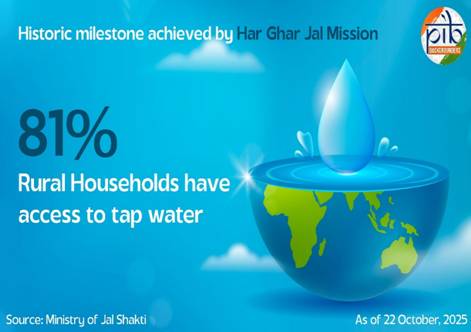
Provide Functional Household Tap Connections (FHTC) to every rural household.
Key Features:
Piped water supply in rural areas
Community involvement
Water quality monitoring
Sustainable source development
Beneficiaries:
Rural households across India.
2️⃣ Atal Bhujal Yojana

Objective:
Promote sustainable groundwater management in water-stressed regions.
Key Features:
Community-led groundwater planning
Water budgeting
Monitoring groundwater levels
Demand-side management
Focus Areas:
States with critical groundwater depletion.
3️⃣ Pradhan Mantri Krishi Sinchai Yojana (PMKSY)
Objective:
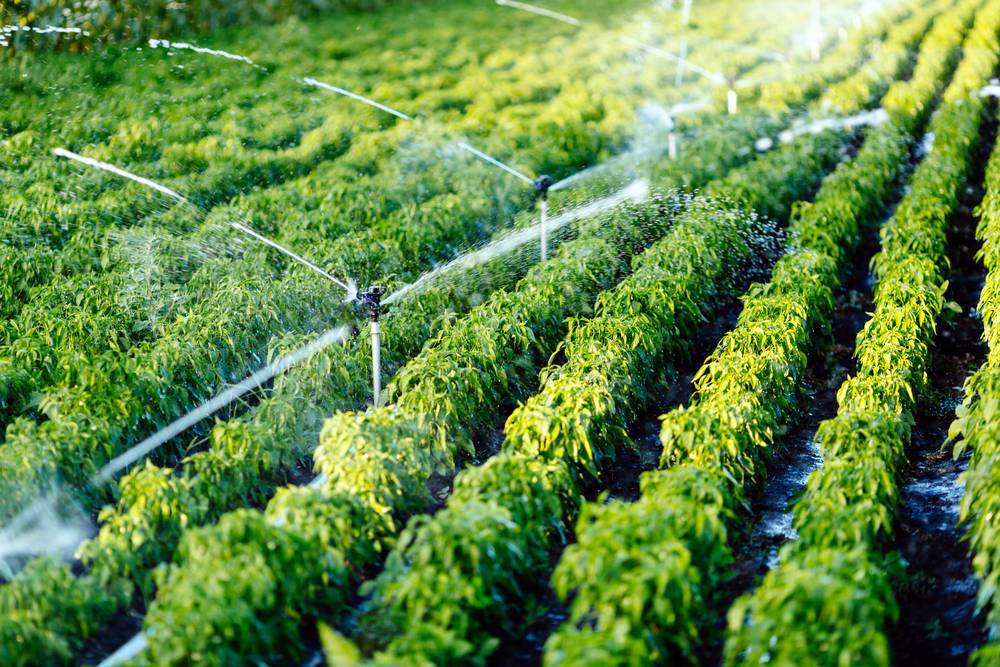
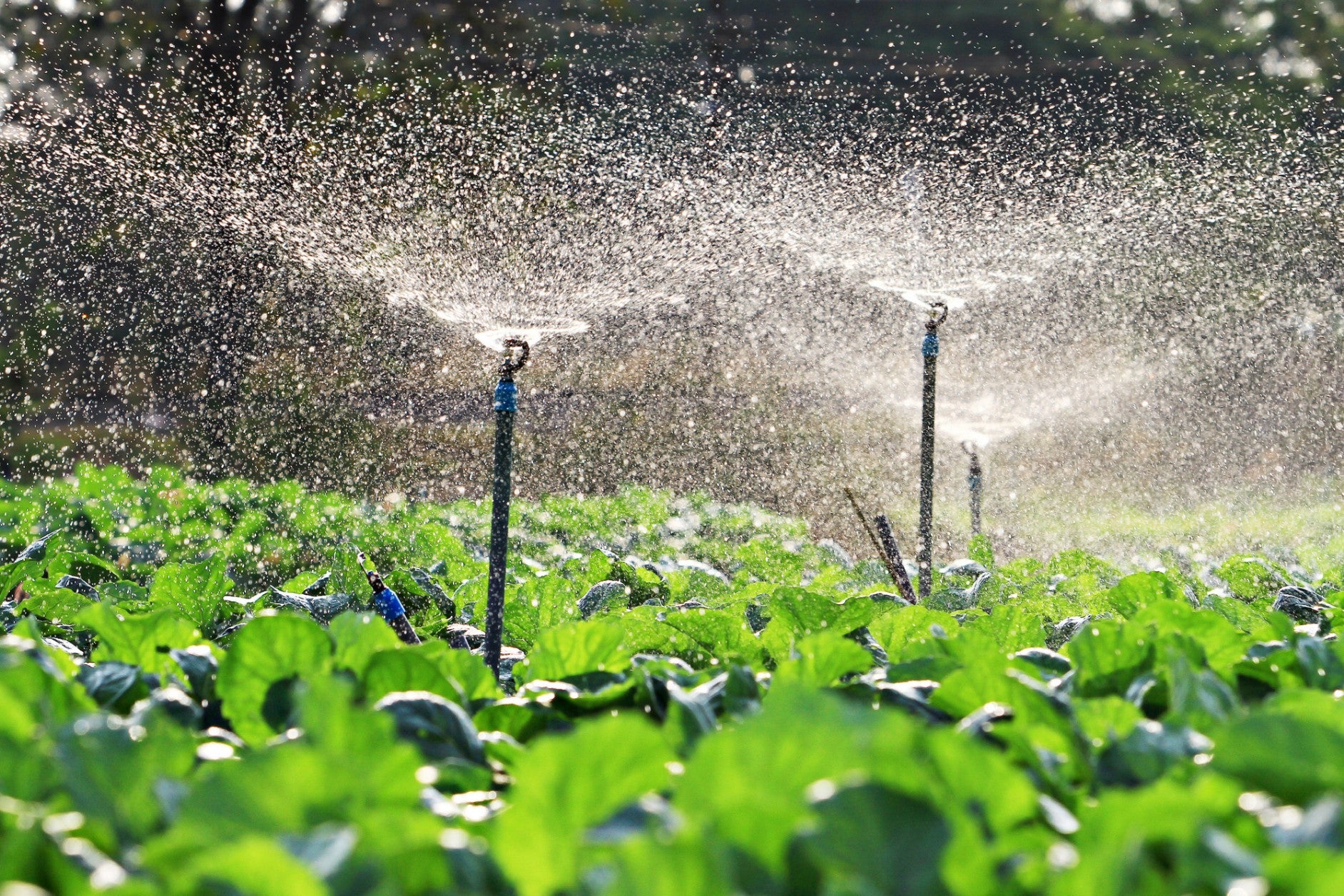
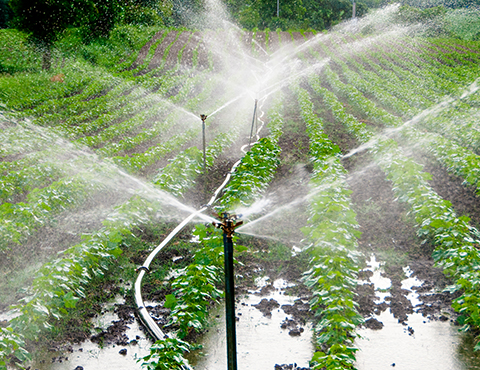
“Har Khet Ko Pani” – Ensure water reaches every farm.
Key Components:
Micro-irrigation (Drip & Sprinkler)
Watershed development
Efficient water use
Irrigation infrastructure
Beneficiaries:
Farmers and agricultural communities.
4️⃣ AMRUT
(Atal Mission for Rejuvenation and Urban Transformation)
Objective:
Improve urban water supply and sewerage infrastructure.
Focus Areas:
Universal water coverage
Sewerage networks
Stormwater drainage
Green spaces
5️⃣ Namami Gange Programme

Objective:
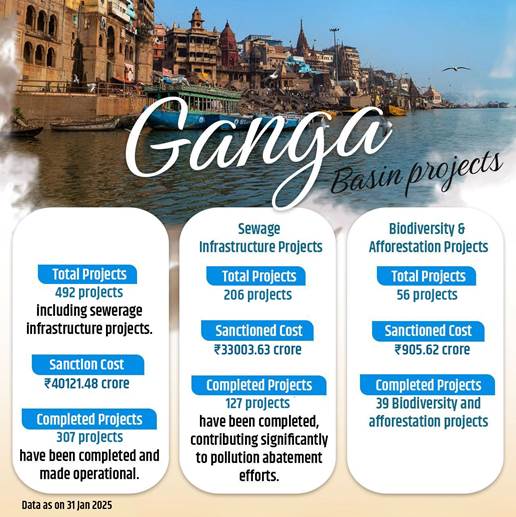
Clean and rejuvenate the River Ganga.
Key Activities:
Sewage treatment plants
River surface cleaning
Rural sanitation
Biodiversity conservation
Types of Support Offered Under Government Water Schemes
Government water schemes typically provide:
💰 Financial Assistance
Subsidies for irrigation systems
Infrastructure funding
Grants for rural water supply
🏗 Infrastructure Development
Pipeline installation
Borewell recharge structures
Check dams and watershed projects
📊 Technical Support
Hydrogeological surveys
Water quality testing
GIS mapping
👥 Community Engagement
Water user associations
Capacity-building programs
Local governance participation
Eligibility Criteria for Government Water Schemes
Eligibility depends on the scheme but generally includes:
Rural households
Farmers and agricultural landowners
Urban local bodies
Panchayats
NGOs and community organizations
State and municipal agencies
Applicants must comply with government guidelines and documentation requirements.
How to Apply for Government Water Schemes Support
Step 1️⃣ Identify Relevant Scheme
Choose the scheme applicable to your region and need.
Step 2️⃣ Contact Local Authorities
Approach:
Gram Panchayat
District Water Office
Municipal Corporation
Agriculture Department
Step 3️⃣ Submit Required Documents
Identity proof
Land ownership documents
Project proposal (if applicable)
Step 4️⃣ Technical Assessment
Authorities may conduct field inspection or feasibility study.
Step 5️⃣ Approval & Implementation
Upon approval, financial and technical support is provided.
Benefits of Government Water Schemes
✔ Improved access to safe drinking water
✔ Enhanced agricultural productivity
✔ Reduced groundwater depletion
✔ Better urban water infrastructure
✔ Environmental sustainability
✔ Climate resilience
Role of Private Consultants & Water Experts
Many communities and farmers seek professional support for:
Borewell yield estimation
Groundwater recharge design
Irrigation system planning
Water budgeting
Compliance documentation
Technical consultants help maximize scheme benefits and ensure proper implementation.
Challenges in Implementing Water Schemes
Funding delays
Lack of awareness
Technical capacity gaps
Maintenance issues
Community coordination challenges
Awareness and structured project planning can overcome these obstacles.
Future of Water Management in India
With climate change and rapid urbanization, water sustainability will become increasingly critical. Government schemes are moving toward:
Smart water monitoring systems
IoT-based water management
GIS-enabled groundwater mapping
Community-led conservation
Public participation and responsible usage will determine long-term success.
Conclusion
Government water schemes support plays a vital role in ensuring water security across rural and urban India. Programs like Jal Jeevan Mission, Pradhan Mantri Krishi Sinchai Yojana, and Atal Bhujal Yojana are transforming water accessibility and sustainability.
By understanding eligibility, application processes, and technical requirements, communities and stakeholders can fully leverage these initiatives.
Water is not just a resource — it is the foundation of sustainable development. Government schemes are paving the way for a water-secure future.
Comments

Scroll to Top