
Blog
Groundwater Data Analytics
Transforming Water Management with Smart Insights
Groundwater is one of the most critical natural resources supporting agriculture, drinking water supply, and industrial growth. However, rapid urbanization, climate variability, and over-extraction are putting immense pressure on aquifers. This is where Groundwater Data Analytics plays a transformative role.
By leveraging advanced data collection, monitoring systems, and analytics tools, organizations and government bodies can make informed decisions for sustainable groundwater management.
What is Groundwater Data Analytics?
Groundwater Data Analytics refers to the process of collecting, analyzing, and interpreting groundwater-related data such as:
Water table levels
Borewell yield
Aquifer characteristics
Rainfall patterns
Recharge rates
Water quality parameters
Using analytics, stakeholders can predict depletion trends, plan recharge structures, and optimize water extraction strategies.
Why Groundwater Data Analytics is Important
💧 Sustainable Water Management
Prevents over-extraction and supports aquifer recharge planning.
🌾 Agricultural Productivity
Helps farmers plan irrigation based on groundwater availability.
🏙 Urban Planning
Supports municipalities in managing water supply networks.
📊 Data-Driven Decisions
Reduces guesswork and enhances policy-making.
🌍 Climate Resilience
Predicts drought risks and groundwater stress.
Key Components of Groundwater Data Analytics
1️⃣ Groundwater Level Monitoring
Data Sources:
Observation wells
Digital water level recorders
Manual depth measurements
Monitoring helps track seasonal variations and long-term trends.
2️⃣ Rainfall & Recharge Analysis


4
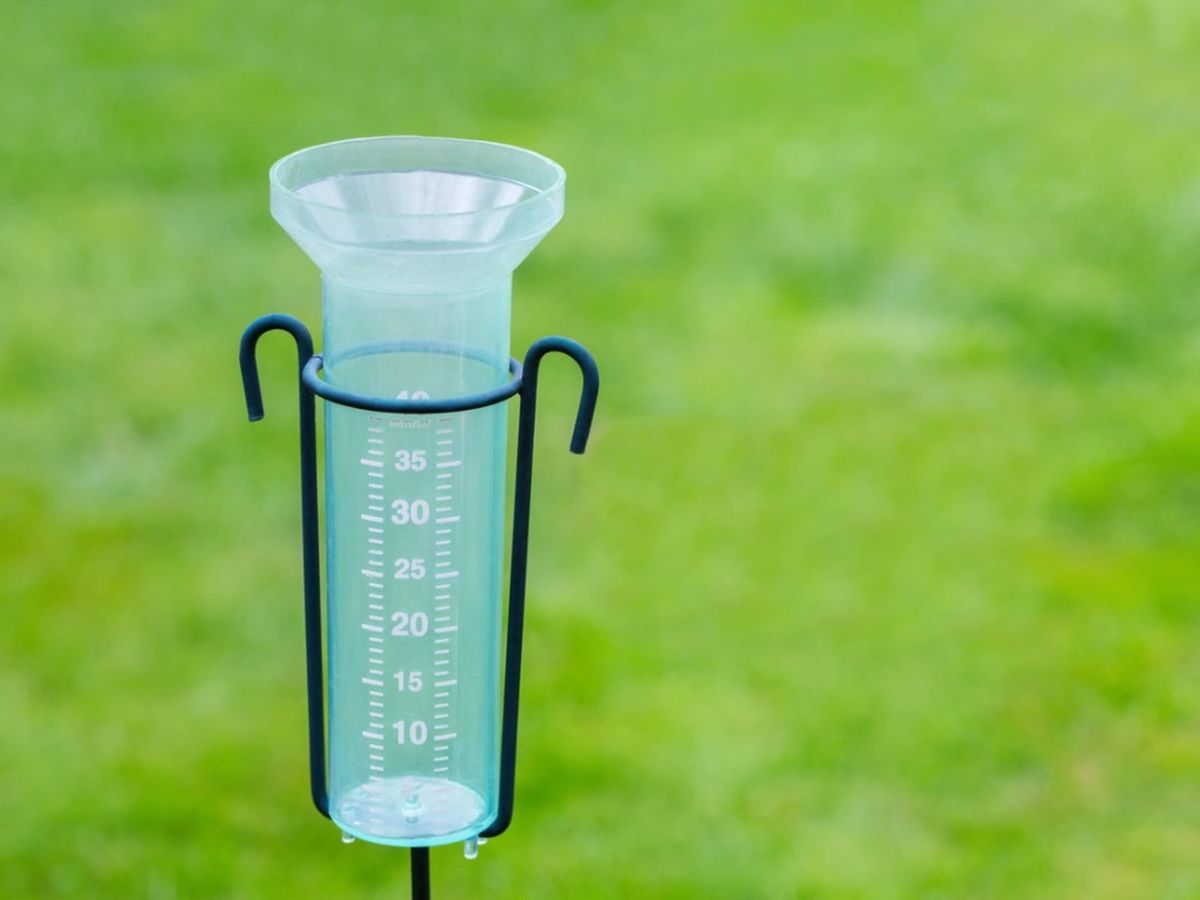
Rainfall data combined with recharge structure performance helps estimate:
Infiltration rates
Aquifer recharge potential
Water balance calculations
Government initiatives like Atal Bhujal Yojana emphasize community-based groundwater data monitoring.
3️⃣ Borewell Yield & Aquifer Testing
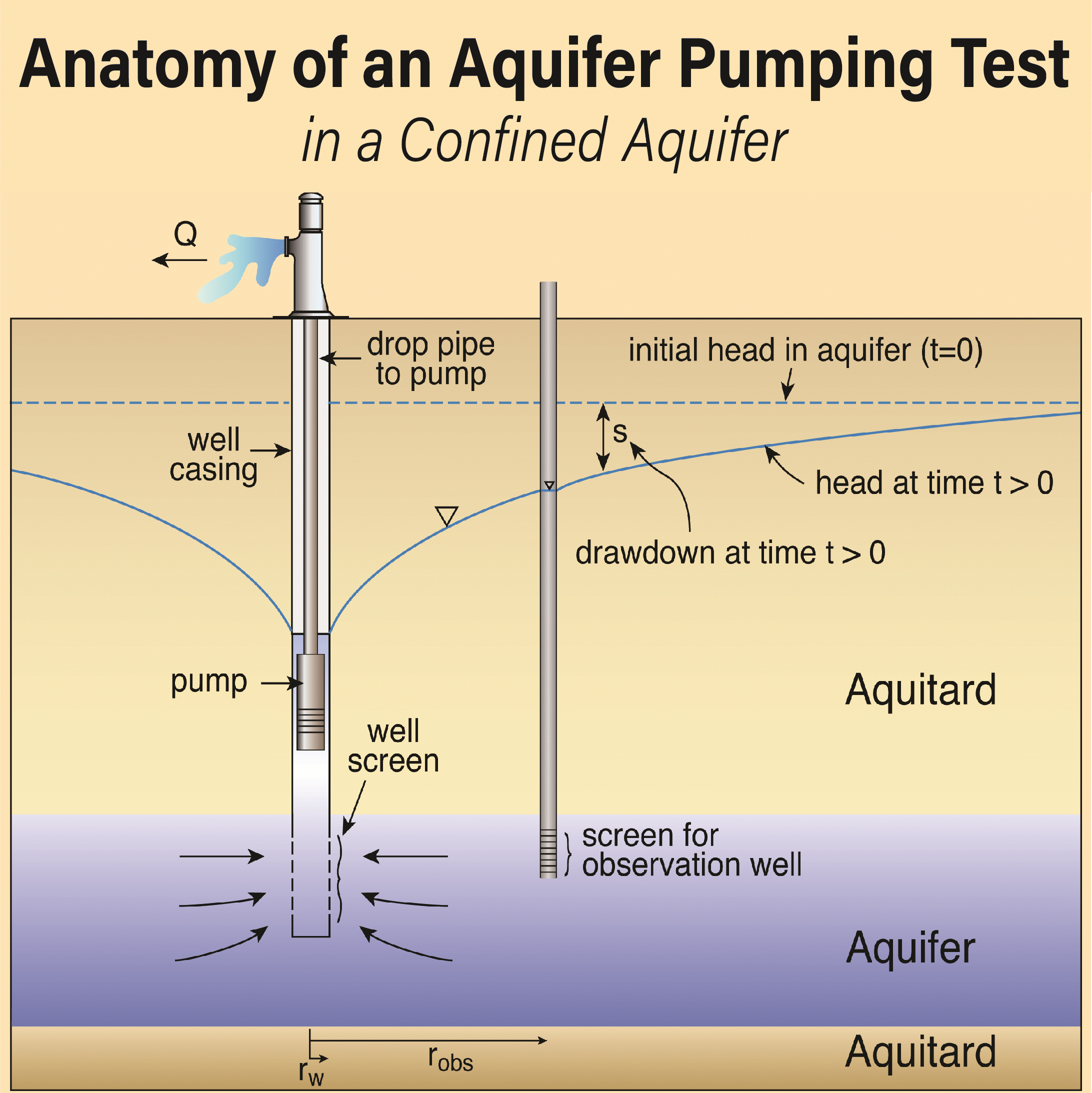
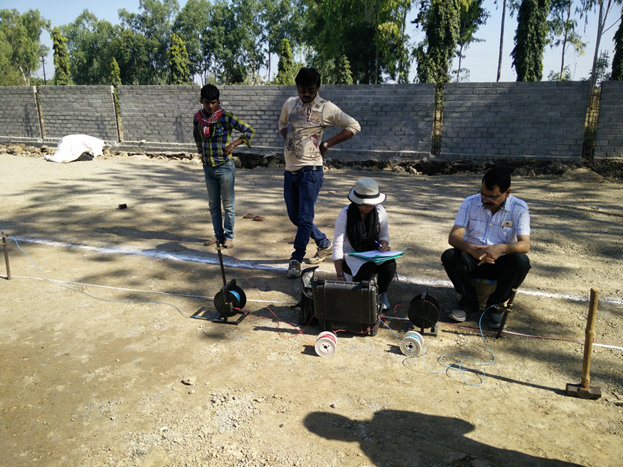
Key Metrics:
Pumping rate
Drawdown level
Recovery time
Sustainable yield
Analytics tools interpret pumping test results to determine aquifer capacity and sustainability.
4️⃣ Water Quality Data Analytics


Groundwater quality parameters include:
pH levels
Total Dissolved Solids (TDS)
Nitrate concentration
Fluoride content
Hardness
Analytics identifies contamination trends and health risks.
5️⃣ GIS & Remote Sensing Integration
Geospatial technologies help:
Map aquifer boundaries
Identify recharge zones
Monitor land-use changes
Analyze watershed dynamics
GIS-based groundwater analytics enables accurate decision-making.
Applications of Groundwater Data Analytics
🌾 Agriculture
Optimizing irrigation schedules
Identifying sustainable pumping rates
Improving crop water efficiency
🏢 Industrial Use
Monitoring extraction compliance
Reducing groundwater overuse
🏙 Urban Development
Planning borewell locations
Managing municipal water supply
🏛 Government Planning
Programs such as Jal Jeevan Mission rely on groundwater data for rural water supply sustainability.
Technologies Used in Groundwater Analytics
IoT-based water level sensors
Automated data loggers
AI & Machine Learning models
Cloud-based dashboards
GIS mapping software
These technologies provide real-time monitoring and predictive analytics.
Benefits of Groundwater Data Analytics
✔ Prevents aquifer depletion
✔ Enhances water budgeting
✔ Improves borewell success rate
✔ Supports regulatory compliance
✔ Enables early drought prediction
✔ Promotes sustainable development
Challenges in Groundwater Data Analytics
Limited historical data
Inaccurate manual measurements
Lack of monitoring infrastructure
Data integration complexity
Budget constraints in rural areas
Overcoming these challenges requires investment in smart monitoring systems and community awareness.
Step-by-Step Approach to Implement Groundwater Data Analytics
1️⃣ Data Collection
Install monitoring wells and sensors.
2️⃣ Data Integration
Combine rainfall, pumping, and quality data.
3️⃣ Data Processing
Use software tools to analyze trends.
4️⃣ Visualization
Create dashboards and GIS maps.
5️⃣ Decision-Making
Plan recharge, regulate extraction, and manage demand.
Future of Groundwater Data Analytics
The future includes:
AI-driven predictive aquifer modeling
Real-time groundwater dashboards
Satellite-based recharge estimation
Smart village water monitoring systems
Blockchain-based water data transparency
Digital transformation is reshaping groundwater management across India and globally.
Conclusion
Groundwater Data Analytics is revolutionizing the way we manage and conserve water resources. By combining hydrogeological surveys, IoT monitoring, GIS mapping, and predictive modeling, communities and governments can ensure sustainable water usage.
With increasing water stress and climate variability, adopting data-driven groundwater management strategies is no longer optional — it is essential for long-term water security.
If you are planning borewell development, recharge structure design, or community water planning, integrating groundwater data analytics will ensure informed, sustainable, and future-ready decisions.
Comments

Scroll to Top