
Blog
Water Security for Industries
Strategies for Sustainable Growth & Risk Management
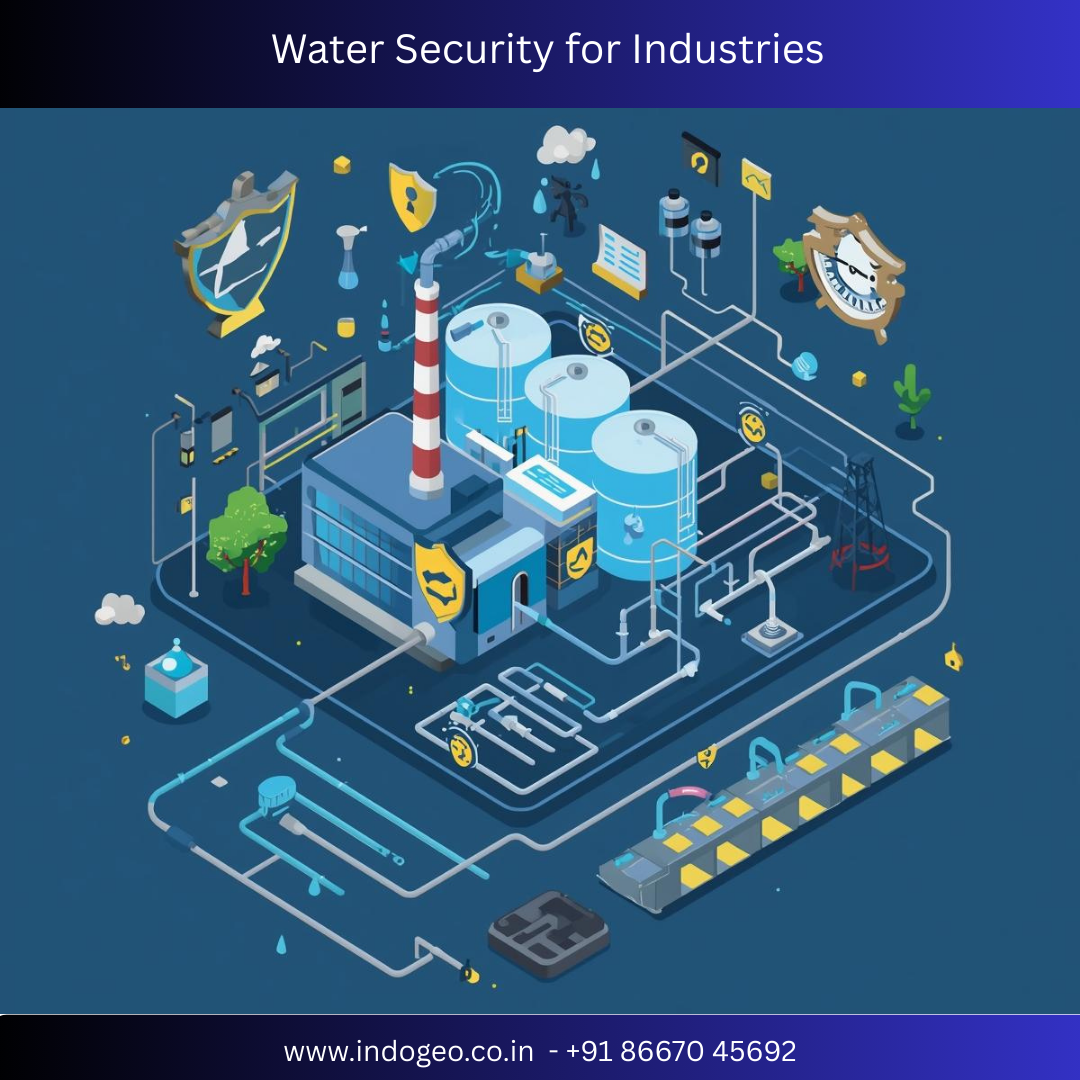
Water is a critical resource for industrial operations — from manufacturing and food processing to energy production and pharmaceuticals. However, rising water scarcity, regulatory pressure, and climate change are increasing operational risks. Water security for industries is now a strategic priority for sustainable growth, ESG compliance, and long-term profitability.
In this SEO-optimized guide, we explore the importance of industrial water security, risk factors, solutions, government support, and best practices for building resilient water management systems.
What is Water Security for Industries?
Water security for industries refers to ensuring:
Reliable and uninterrupted water supply
Sustainable groundwater and surface water usage
Regulatory compliance
Efficient wastewater treatment and reuse
Long-term water risk mitigation
Industries must balance production demands with environmental sustainability and community needs.
Why Water Security is Critical for Industrial Operations
🚰 Business Continuity
Water shortages can halt manufacturing and disrupt supply chains.
💰 Cost Management
Rising water tariffs and extraction limits increase operational expenses.
📜 Regulatory Compliance
Environmental laws require responsible water extraction and discharge management.
🌍 ESG & Sustainability Goals
Investors prioritize companies with strong environmental governance.
🏭 Reputation & Social License to Operate
Community conflicts over water usage can damage brand reputation.
Key Water Security Risks for Industries
1️⃣ Groundwater Depletion
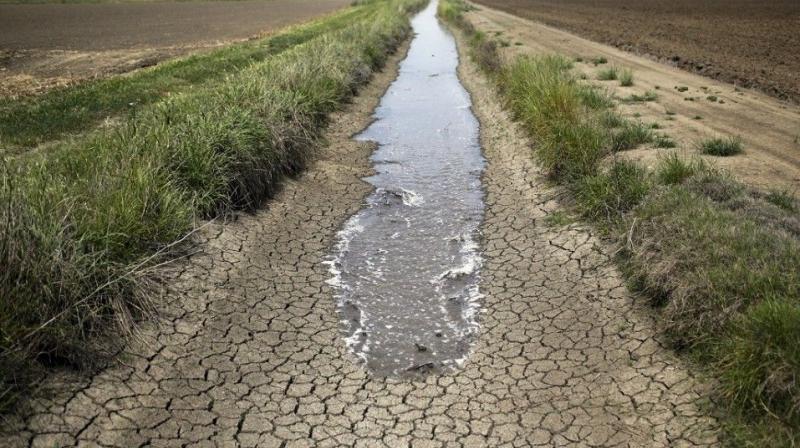
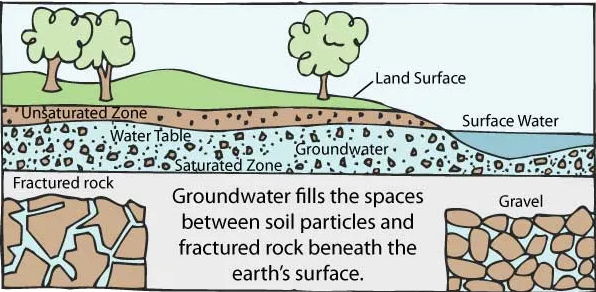
Over-extraction can lead to:
Declining water tables
Reduced borewell yield
Increased pumping costs
Regulatory restrictions
Programs like Atal Bhujal Yojana promote sustainable groundwater management.
2️⃣ Water Quality Issues


4
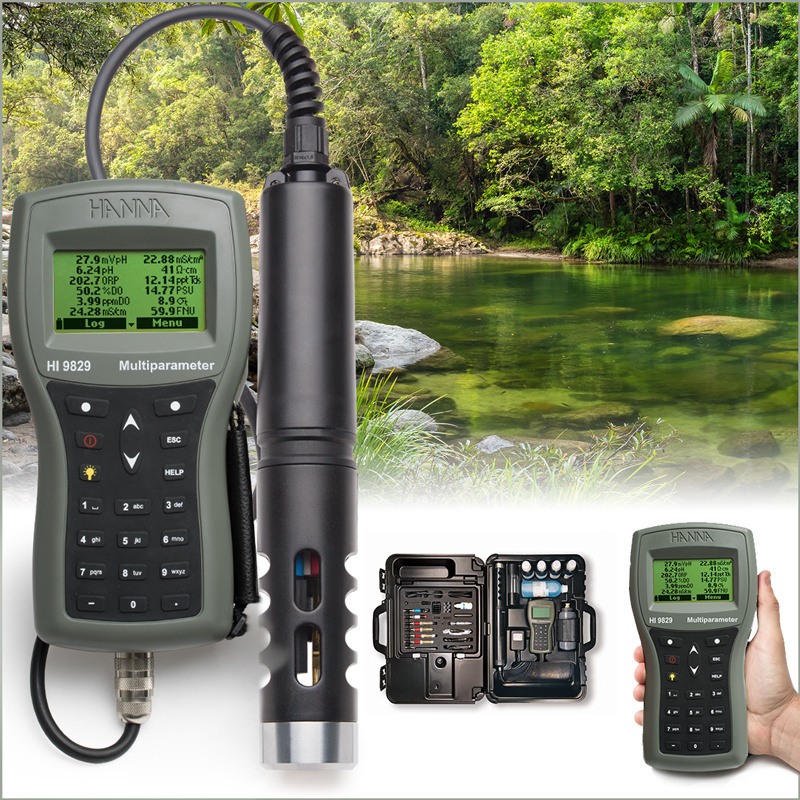
Industrial water must meet quality standards to prevent:
Equipment corrosion
Production inefficiencies
Environmental violations
Legal penalties
3️⃣ Climate Variability & Drought
Changing rainfall patterns affect:
Reservoir storage
Surface water availability
Groundwater recharge
4️⃣ Regulatory & Compliance Risks
Industries must comply with:
Groundwater extraction permits
Effluent discharge norms
Environmental clearance requirements
Failure to comply can lead to plant shutdowns or penalties.
Strategies to Achieve Water Security for Industries
✅ 1. Water Risk Assessment
Conduct detailed analysis of:
Water sources
Extraction volumes
Recharge rates
Demand forecasting
Climate impact risks
Groundwater data analytics can improve long-term planning.
✅ 2. Rainwater Harvesting & Recharge Systems
Implement:
Rooftop rainwater harvesting
Recharge pits and trenches
Check dams (for large campuses)
These systems improve aquifer sustainability and reduce dependency on external supply.
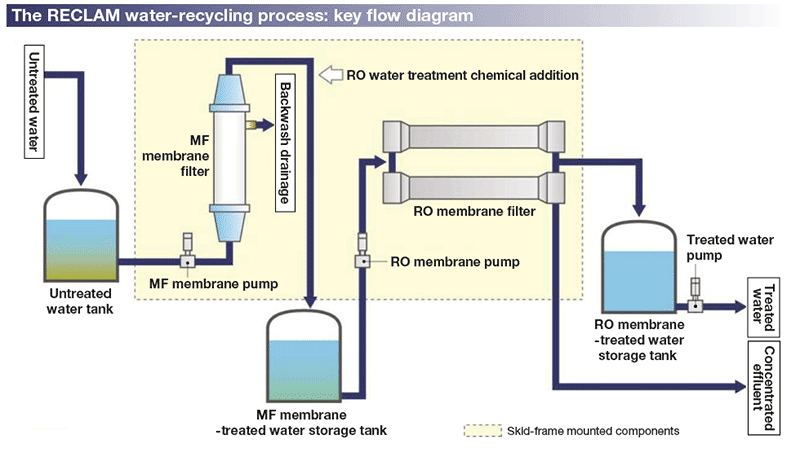
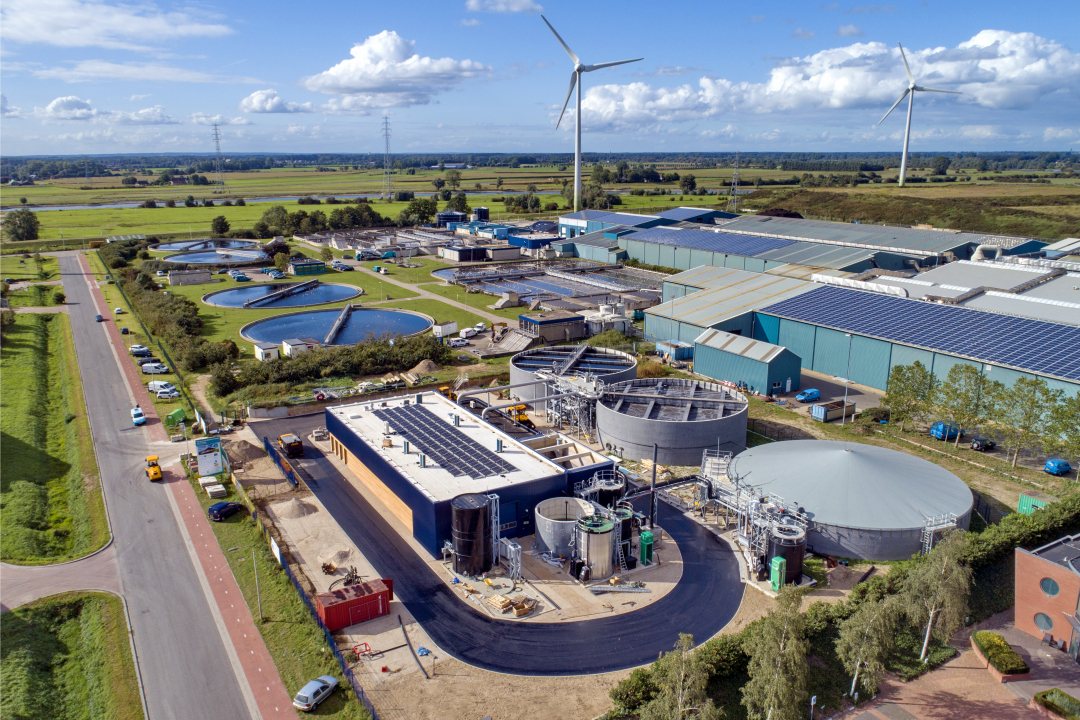
✅ 3. Water Recycling & Reuse

4
Key Solutions:
Effluent Treatment Plants (ETP)
Sewage Treatment Plants (STP)
Zero Liquid Discharge (ZLD) systems
Treated water reuse for cooling and landscaping
Water recycling reduces freshwater demand significantly.
✅ 4. Smart Water Monitoring Systems
Use:
IoT sensors
Automated flow meters
Real-time dashboards
Predictive analytics
These tools help detect leaks, overuse, and inefficiencies.
✅ 5. Alternative Water Sources
Treated municipal water
Desalinated water (coastal industries)
Recycled process water
Surface water reservoirs
Diversifying sources reduces risk.
Government Support & Policy Alignment
Industrial water management can align with national initiatives like:
Jal Jeevan Mission (water sustainability goals)
Pradhan Mantri Krishi Sinchai Yojana (watershed and water conservation infrastructure)
Industries can collaborate with local authorities for sustainable water management programs.
Benefits of Strong Water Security Strategy
✔ Reduced operational risks
✔ Lower long-term water costs
✔ Regulatory compliance assurance
✔ Improved ESG ratings
✔ Enhanced brand reputation
✔ Sustainable production growth
Step-by-Step Industrial Water Security Plan
1️⃣ Water Audit
Analyze total water usage and losses.
2️⃣ Source Assessment
Evaluate groundwater, municipal, and surface water sources.
3️⃣ Infrastructure Development
Install recharge, recycling, and monitoring systems.
4️⃣ Compliance Monitoring
Track discharge and extraction limits.
5️⃣ Continuous Improvement
Adopt AI-driven analytics and smart dashboards.
Challenges in Industrial Water Security
High initial investment
Lack of technical expertise
Regulatory complexity
Community conflicts
Climate uncertainty
However, proactive investment reduces long-term risk.
Future of Industrial Water Management
The future of water security for industries includes:
AI-based predictive water modeling
Real-time aquifer monitoring
ESG-integrated reporting
Circular water economy models
Industry-community water partnerships
Sustainability is no longer optional — it is a competitive advantage.
Conclusion
Water security for industries is essential for operational continuity, environmental responsibility, and long-term growth. With increasing water stress and regulatory scrutiny, industries must adopt comprehensive strategies including groundwater analytics, rainwater harvesting, recycling systems, and smart monitoring.
By integrating sustainable water practices, industries can reduce risk, improve compliance, and build resilience against future water challenges.
If your organization aims to strengthen industrial water management, investing in water security today will safeguard productivity and profitability tomorrow.
Comments
Scroll to Top